Full vs Half Pedestal Wash Basin: Smart Buying Guide
09 January, 2026
Connect With Our Team

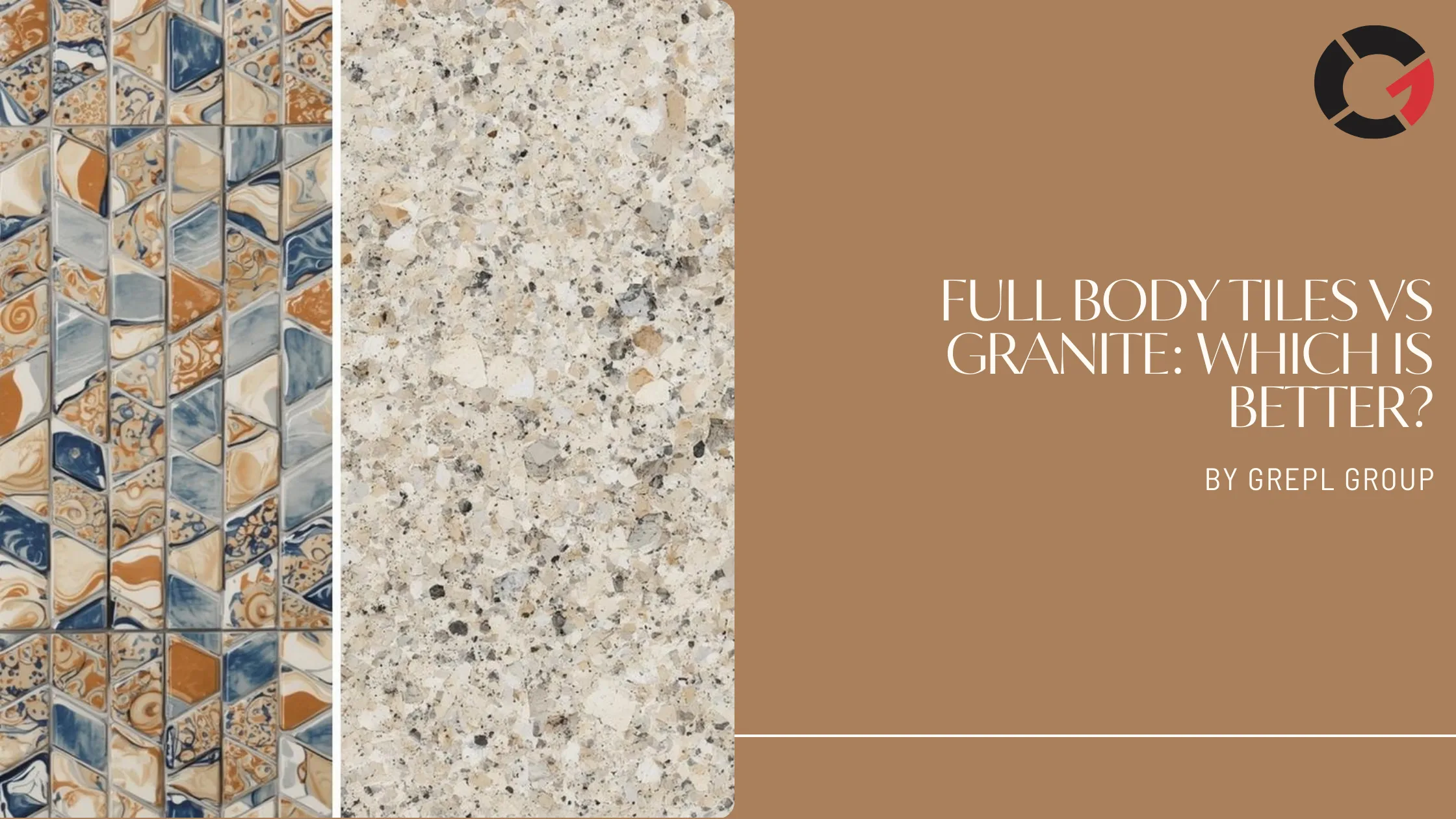
Choosing the right surface material is one of the most important decisions in residential and commercial architecture. Whether you are designing a modern home, renovating a high-traffic commercial area, or selecting materials for industrial spaces, the debate between full body tiles vs granite has become increasingly relevant. Both materials deliver strength, longevity, and aesthetic appeal, but their performance varies significantly based on where and how you use them.
In recent years, full body tiles especially full body vitrified tiles and full body ceramic tiles have become popular among architects who prefer consistency, advanced technology, and elegant designs. On the other hand, granite, a natural stone known for its durability and luxury appearance, remains a timeless favorite. This blog offers a detailed comparison between the two, helping you make an informed decision backed by real-world application insights, material science, and design trends.
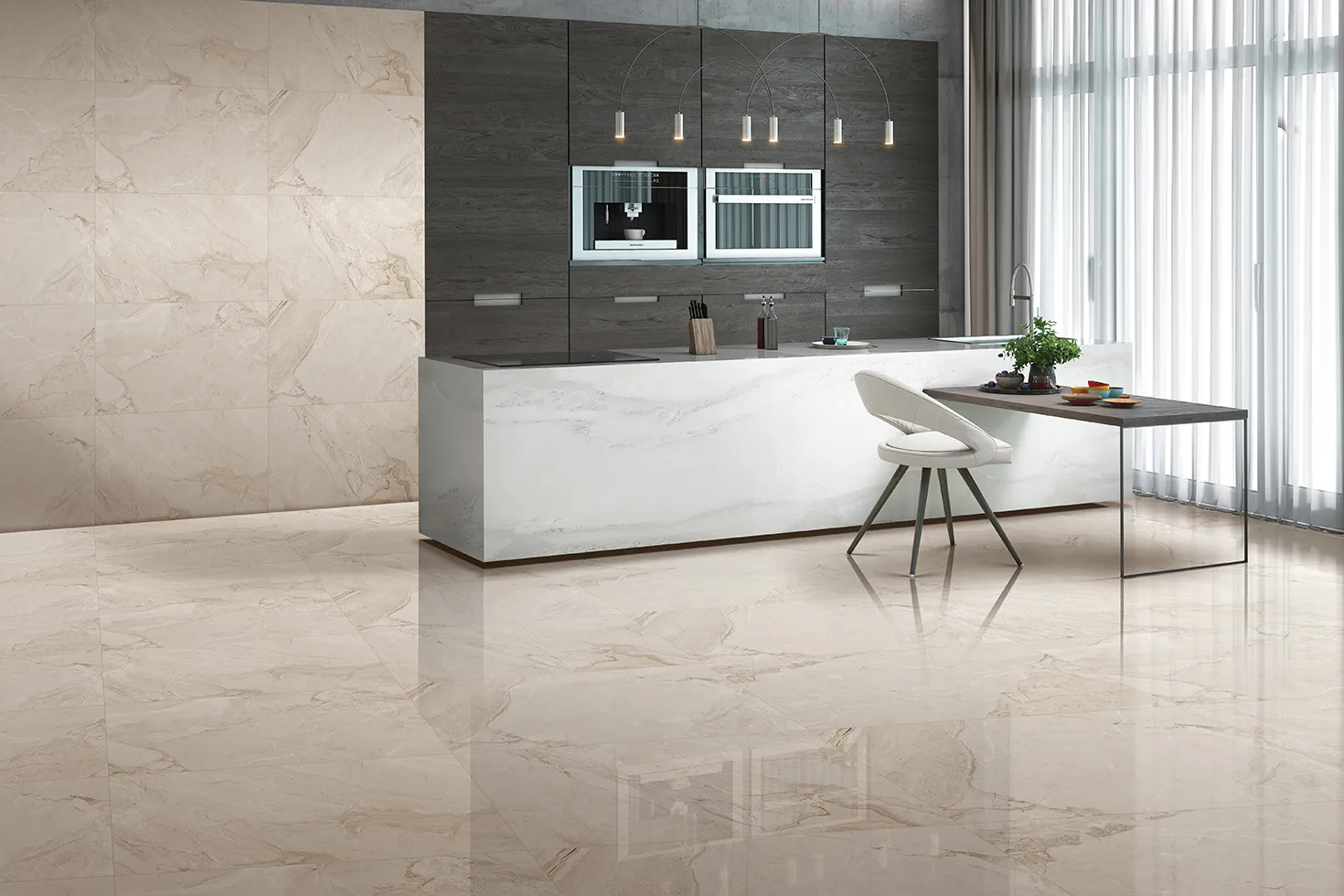
Full body tiles are manufactured using high-pressure vitrification technology where the color, design, and texture run uniformly through the entire thickness of the tile. This makes them extremely resistant to wear, scratches, and discoloration. Unlike surface-printed tiles, these tiles retain their beauty even after years of heavy use.
They are available in multiple categories such as full body vitrified tiles, full body glossy tiles, full body matt tiles, and even large formats like 800 x 2400 full body tiles and 600 x 1200 full body tiles. Architects prefer these tiles for minimalistic interiors, industrial spaces, parking areas, commercial floors, and staircases because of their uniformity, strength, and low porosity.
Full body tiles are also available for specific applications full body tiles for kitchen, full body tiles for stairs, and full body parking tiles allowing designers to select finishes based on footfall, load, and required slip resistance.
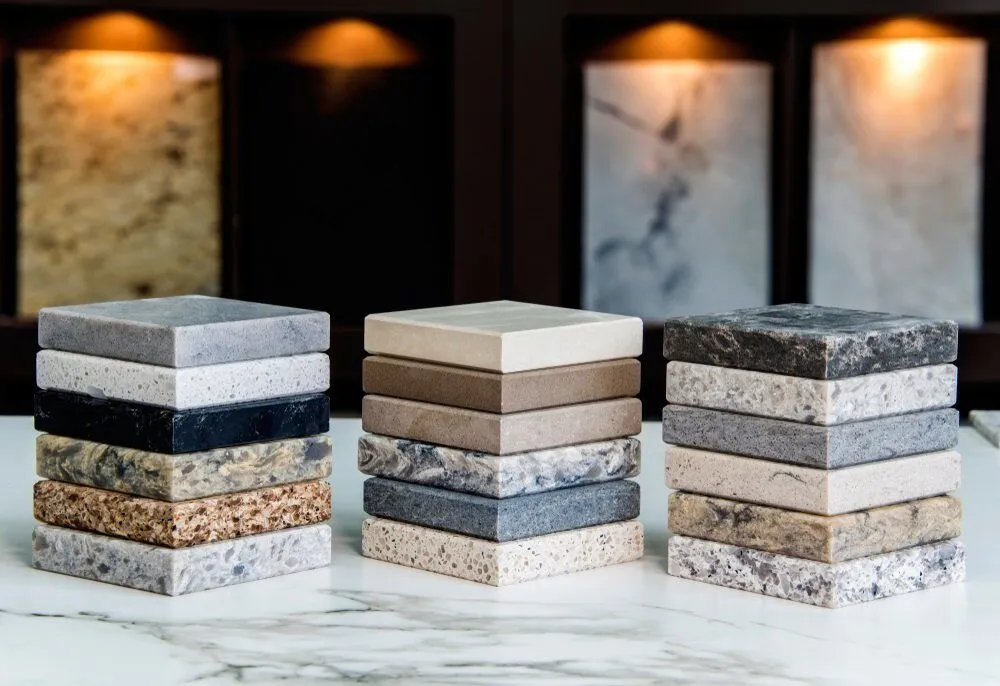
Granite is a naturally occurring igneous rock formed through the slow crystallization of magma beneath the earth’s surface. It consists of minerals such as quartz and feldspar, giving it exceptional strength and a unique natural pattern. Variants like black granite, red granite stone, and different types of granite are widely used for flooring, countertops, wall cladding, and exterior applications.
Since each slab of natural granite is different, it adds an exclusive, premium appearance to any space. Granite stones are extremely durable and resistant to heat, but their porosity demands periodic sealing to prevent stains. This natural stone is often chosen for luxury homes, temples, facades, and projects requiring a premium aesthetic.
|
Feature |
Full Body Tiles |
Granite |
|
Origin |
Manufactured (vitrified) |
Natural stone |
|
Porosity |
Very low |
Moderately porous |
|
Scratch Resistance |
High |
High but depends on variant |
|
Maintenance |
Very low |
Needs sealing & polishing |
|
Color Consistency |
Uniform |
Natural variation |
|
Strength |
High density |
Extremely strong |
|
Cost |
Affordable to moderate |
Moderate to high |
|
Design Choice |
Wide variety |
Limited to natural patterns |
Design flexibility plays a crucial role in modern architectural projects. full body floor tiles come in a wide range of patterns known as full body tiles design, offering consistency and versatility. You can choose from multiple finishes matte, glossy, textured, or stone-inspired surfaces depending on the project requirement.
Granite, meanwhile, offers natural elegance. Each slab has its own distinct pattern, making it appealing for clients who prefer luxury, uniqueness, and organic elements. Popular options like black granite or premium polished surfaces often become the focal point in living rooms or entryways.
For minimalist or industrial design themes, full body matt tiles provide a seamless, refined look. For luxury-driven spaces where natural beauty is preferred, granite is often the top choice.
Full body vitrified tiles are almost non-porous, meaning they do not absorb moisture or stains easily. This makes them ideal for kitchens, bathrooms, and outdoor spaces exposed to moisture. Their surface is highly scratch-resistant, preserving the finish even in heavy-footfall environments.
Granite’s durability is exceptional, but its porous nature means liquids like wine, oil, or coffee can seep in if the stone is not sealed properly. While it is scratch-resistant, polished granite surfaces can lose shine over time and require repolishing.
For areas like full body tiles for kitchen or areas that must handle spills and stains daily, full body tiles are more convenient.
Cost plays a major role when selecting materials. Full body tiles including categories like full body ceramic tiles and large formats tend to be more economical than granite. They require less installation effort, minimal maintenance, and do not need recurring polishing or sealing.
Granite is more expensive, especially premium colors or high-grade slabs. Installation charges can also increase due to the weight and handling needs of granite stones. However, granite adds long-term value to luxury homes and remains a viable investment for projects emphasizing premium aesthetics.
Full body parking tiles, matt tiles, and vitrified tiles require almost no maintenance. Basic sweeping and mopping keep them looking new. Their low porosity means they resist stains, and unlike natural materials, they do not require sealing or polishing.
Granite requires more attention. For best performance, granite must be sealed once every 12–18 months. The stone may also lose luster and need periodic buffing, especially in high-traffic areas.
For large commercial projects with tight operational costs, full body floor tiles offer long-term cost savings.
Full body tiles are ideal for:
Homes requiring scratch-resistant, durable flooring
Restaurants, malls, and hotels
Industrial floors with heavy foot traffic
Wet areas using full body matt tiles
Decorative spaces using full body glossy tiles
Modern homes using 600 x 1200 full body tiles for sleek layouts
Their versatility makes them suitable for both indoor and outdoor environments.
Granite shines in premium or high-impact areas like:
Kitchen countertops
Outdoor steps and façades
Luxury hospitality flooring
High-traffic commercial spaces
Monumental and heritage-inspired interiors
The natural look of black granite and red granite stone brings richness and authenticity.
Grepl Group stands as one of the trusted names in the industry, offering an extensive selection of high-performance full body tiles, full body vitrified tiles, matt tiles, glossy finishes, and architectural surfaces designed for residential, commercial, and industrial projects.
With a commitment to innovation, Grepl Group ensures superior quality control, advanced manufacturing processes, and modern technology in every tile. Their range includes durable 600 x 1200 full body tiles, large formats, parking tiles, kitchen tiles, and stair tiles meeting diverse design preferences and performance needs.
Grepl Group is known for delivering value-driven solutions backed by reliability, consistency, and long-lasting performance, making them a preferred choice for architects, designers, contractors, and global buyers.
Both full body tiles and granite offer compelling advantages depending on the requirements of your project. Full body tiles are ideal for areas demanding consistent quality, lower maintenance, design variety, and long-term durability. Granite, on the other hand, brings unmatched natural elegance and exceptional hardness that enhances luxury spaces.
Ultimately, the choice between full body tiles vs granite depends on your budget, aesthetic preference, project type, and expected maintenance level. For most modern residential, industrial, and commercial applications, full body tiles provide an excellent balance of performance, durability, and cost-effectiveness making them a smart, future-ready solution.
Full body tiles are more consistent, more affordable, and require less maintenance, making them suitable for most residential and commercial floors. Granite is better when you want a premium natural look.
Both are durable, but granite is naturally harder. However, full body tiles offer better stain resistance and lower porosity.
Granite is generally more expensive due to quarrying, processing, and labour-intensive installation.
Yes. Modern full body tiles design collections can replicate natural stone patterns, including the look of granite.
Yes, this size is popular for seamless flooring, offering a clean and modern look with high durability.

Whatsapp Chatx
Hi! Click one of our representatives below to chat on WhatsApp or send us email to exports@greplgroup.com
 |
Mr. Milanbhai +91 96871 06588 |
|
Mr. Hirenbhai +91 95373 06588 |